The Best Digital Marketing Tools in 2026
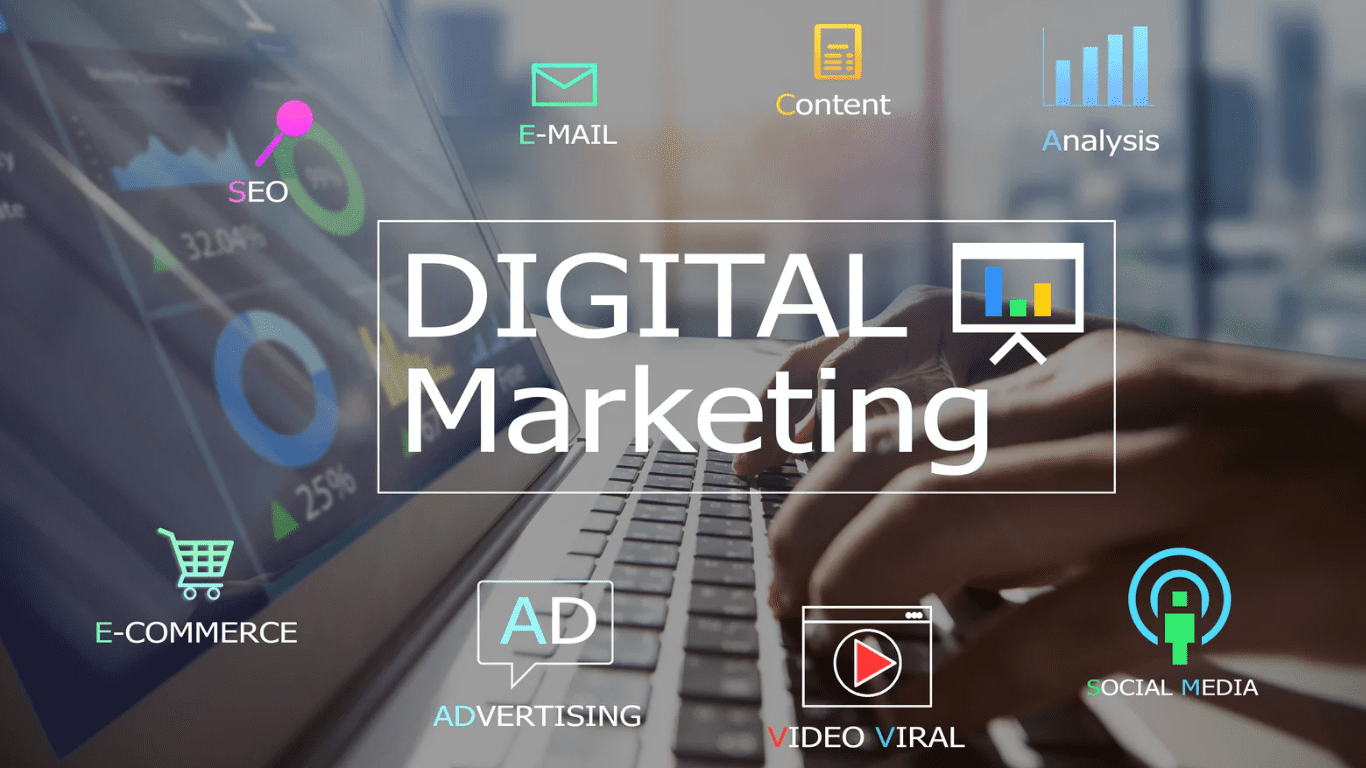
In digital marketing, everything can be measured — and in 2026, most of that measuring, writing, and researching happens with an AI tool sitting alongside the traditional marketing stack.
Having the right set of tools for managing data, content, and campaigns is essential. The right tools give you insight into customer journeys, conversion rates, and competitor activity, so you can make decisions based on evidence instead of guesswork. Below, the Intvips team breaks down the tools we actually rely on — starting with the AI tools that have reshaped marketing workflows since 2023, then the SEO, analytics, and social media tools that remain core to the job.
AI Tools Reshaping Digital Marketing
The single biggest shift in digital marketing since 2023 has been the rise of general-purpose AI assistants. Rather than one tool doing everything, most marketing teams in 2026 use a small set of AI models for different jobs — research, writing, and content production.

Claude (Anthropic)
Claude has become a go-to tool for long-form, publish-ready writing — blog posts, website copy, and service pages that need to sound genuinely human rather than generic. It’s also widely used for longer, multi-step work like auditing a website or drafting a full content plan.

ChatGPT (OpenAI)
ChatGPT remains the most widely used AI assistant for day-to-day marketing production — ad copy variations, social captions, email drafts, and quick content ideas. Its strength is speed and volume: turning around a lot of first-draft material fast.

Gemini (Google)
Gemini’s advantage is its real-time web access and tight integration with Google’s own ecosystem (Search, Workspace, Ads). Marketers lean on it for research — current trends, competitor activity, and industry news — rather than final-draft writing.
Grok (xAI)
Grok’s differentiator is live access to X (Twitter) data, which makes it useful for real-time social listening and spotting trending conversations as they happen — a niche but genuinely useful role alongside the other tools.
Manus is a newer, agent-style AI tool that can carry out multi-step tasks with less hand-holding than a chat-based assistant — useful to know about, though we’d note it’s less established specifically for marketing workflows than the four tools above, so we recommend testing it on a low-stakes task before relying on it for client work.
Rounding out the AI toolkit: Canva AI for fast social graphics and ad creative without a dedicated designer, Perplexity for fact-checked, source-backed research when you need real citations, and Grammarly as a final quality pass before anything publishes.
Website Optimization Tools for Search Engines
Analytics tools
Google Analytics 4 (GA4) is now the standard analytics platform, replacing the older Universal Analytics. It reports on user behavior, conversions, and traffic sources across your site and app.
Similarweb estimates the traffic competitors are getting and where it’s coming from, which helps you benchmark your own performance.
Keyword & SEO research tools
Semrush and Ahrefs remain the two leading all-in-one SEO platforms, combining keyword research, backlink analysis, and technical site audits. Both now also track “AI visibility” — whether and how your brand shows up in ChatGPT, Perplexity, and Google AI Overviews, alongside traditional rankings.
Google Trends shows how search interest in a keyword changes over time and by region — still free and still useful for spotting seasonal patterns.
Page-level control tools
Google Search Console is still the free, essential tool for checking indexing, crawl errors, and which queries are actually bringing people to your site.
Site crawler tools
Screaming Frog remains the standard technical SEO crawler, mapping a site’s architecture, metadata, and content issues in one scan.
Social media management
Hootsuite and Sprout Social handle scheduling, monitoring, and analytics across social platforms, with AI-assisted posting times built in.
Frequently Asked Questions
What are the best AI tools for digital marketing in 2026?
Claude, ChatGPT, Gemini, and Grok each play a different role — Claude for polished long-form writing, ChatGPT for fast production work, Gemini for real-time research, and Grok for social listening on X. Most marketing teams use more than one.
Do AI tools replace traditional marketing tools like Google Analytics or Semrush?
No — AI assistants are best used alongside analytics and SEO platforms, not instead of them. You still need GA4, Search Console, and an SEO platform for the underlying data; AI tools help you act on that data faster.
Which tool should a small business start with?
Google Analytics 4 and Google Search Console are free and essential. For content, ChatGPT or Claude cover most day-to-day writing needs without extra cost.
Are all digital marketing tools summarized in these cases? No — there are many more tools you can add depending on your needs. This list covers the ones we find genuinely useful, day to day.
To learn more about these tools and how to use them for your business, get in touch with the Intvips team.