How to Optimize Your Website with Seasonal SEO (2026 Guide)
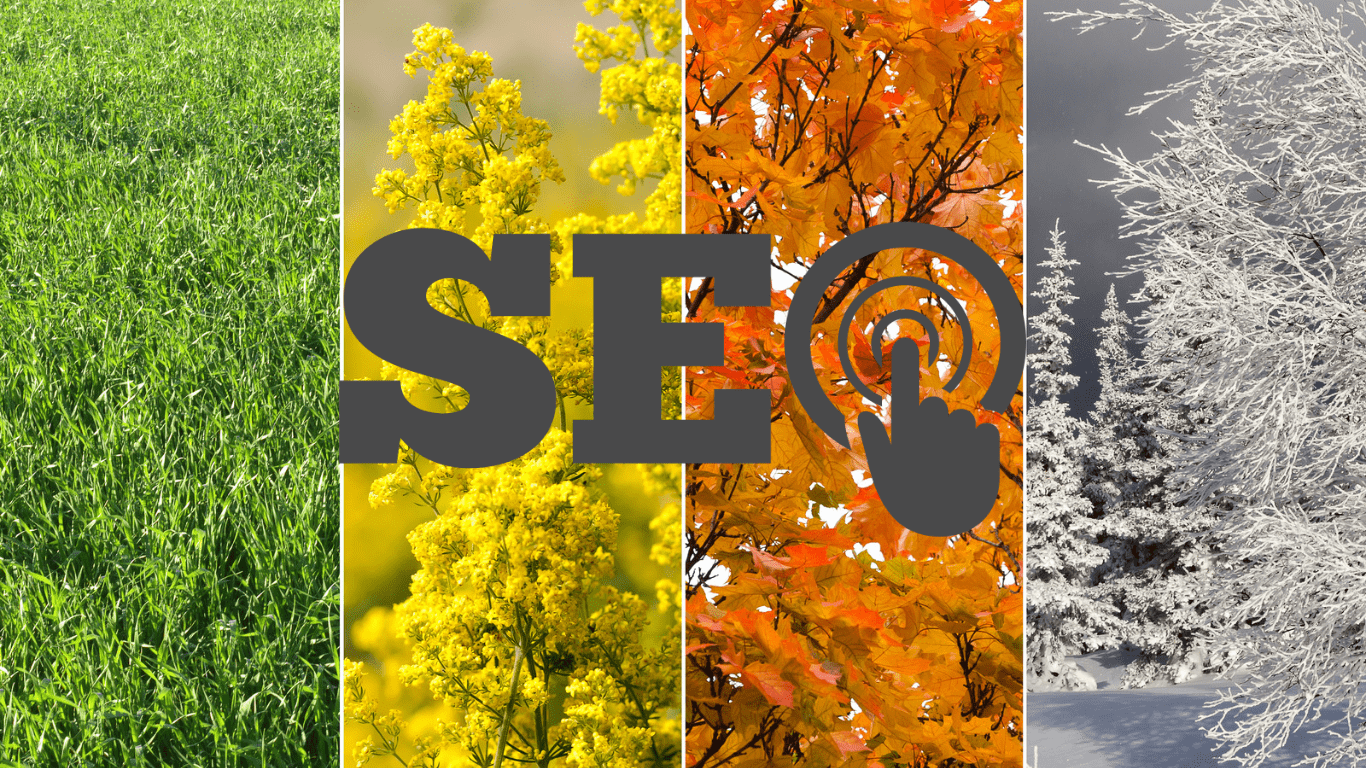
Seasonal SEO focuses on increasing conversion during a limited window of time, so a site captures the surge in demand that happens around a particular season, holiday, or recurring event.
Seasonal SEO uses the same core techniques as traditional SEO, but targets keywords and search intent that spike at a specific time of year. A range of products, hobbies, and topics rise and fall in relevance with the calendar — an e-commerce clothing store, for example, needs different content in winter than in summer.
Types of seasonal SEO
There are two main types: 1) Seasonal SEO, tied to recurring periods of the year like spring or back-to-school, and 2) Event-based SEO, tied to specific occasions within a season, such as Black Friday or Christmas.
Finding the right seasonal topics
Define your target audience, segment their interests, and match the right events to the right segment. Google Trends’ “breakout” and “rising” queries are a fast way to spot seasonal demand before it peaks, and Search Console’s Performance report (filtered by date range year-over-year) will show you which of your own pages already get a seasonal lift.
How to plan seasonal SEO
Start by reviewing last year’s data in Google Analytics 4 to see when traffic and conversions rose or fell, then build a content calendar that publishes seasonal pages several weeks ahead of the actual demand spike — search engines and AI answer engines need time to crawl, index, and build confidence in a page before it starts ranking.
Don’t neglect seasonal images
Seasonal, well-compressed images add credibility and evoke the season for your audience. Keep an eye on Core Web Vitals when you add them — oversized hero images are one of the most common causes of a poor Largest Contentful Paint (LCP) score, which Google factors into ranking.
When to publish seasonal content
Publish ahead of the season, not during it. Clothing retailers stock summer clothing from late spring for the same reason: by the time demand peaks, you want to already be indexed and ranking, not just starting the process.
Seasonal SEO in the age of AI search
AI Overviews and chat-based assistants (like Google’s AI Mode, ChatGPT, and Perplexity) increasingly answer seasonal questions directly — “best gifts for Mother’s Day” or “when to plant tomatoes” — by pulling from pages that clearly state dates, locations, and specific recommendations. Structuring seasonal content with clear headings, direct answers near the top, and an FAQ section improves your odds of being cited by these AI answer engines, not just ranking in traditional blue links.
Seasonal SEO matters for long-term business health. Whether your business swings on two seasons or four, planning ahead of the calendar — rather than reacting to it — is what separates sites that capture seasonal demand from sites that miss it every year.
Frequently Asked Questions
How far in advance should I publish seasonal content?
Generally 4–8 weeks before peak demand, giving search engines and AI crawlers time to index and build ranking confidence.
Should I create a new URL every year or reuse the same page?
Reuse the same URL and update it annually where possible — it preserves the backlinks and ranking history the page has already earned, rather than starting from zero.
Does seasonal SEO work for B2B websites?
Yes — budget cycles, fiscal year-end, conference seasons, and industry-specific reporting periods all create seasonal search patterns in B2B just as they do in retail.